7 Steps to Starting a Local Food Not Lawns Chapter
by H.C. Flores
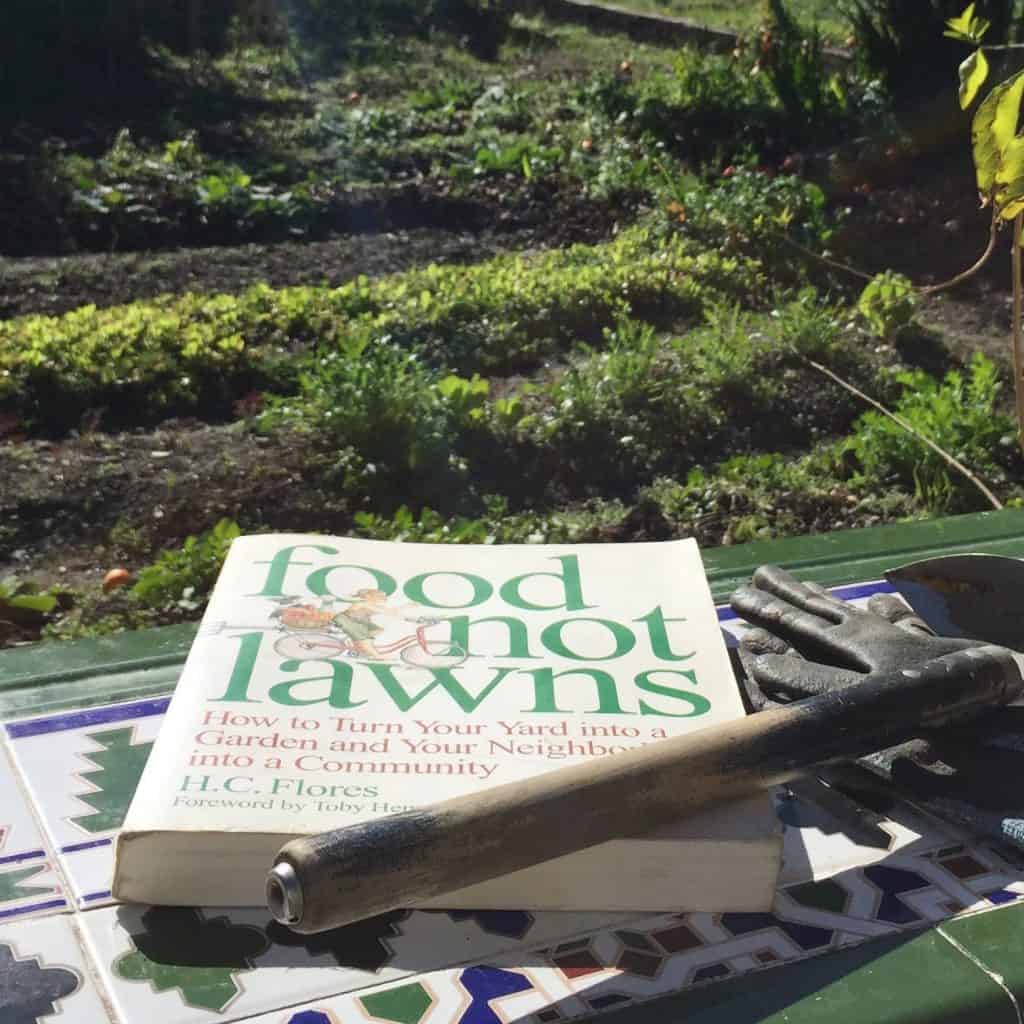
1. DO THE RESEARCH. Read Food Not Lawns by H.C. Flores and Food Not Bombs by Keith McHenry and C.T. Butler. Even if you are a seasoned activist, but especially if you are not, these two books will help you clarify your plans and build a functional collective. Check around locally and see who else is doing these types of projects. Go to their events, read their newsletters, and see how the new Food Not Lawns chapter can best serve the community.
2. DEVELOP AN INFRASTRUCTURE. Set up a contact point such as a website and email address, a post office box, phone number, or all of the above. I use my personal phone number as a contact point for public projects all the time and have never had any problems from it. The originator of a new group must accept the spokesperson role at least until the first meeting, but consider electing additional contact people early on. This invites a deeper level of participation from new people, and gives the budding project a fuller and more visible existence. Post your contact info at www.foodnotlawns.net, and I will add it to the International Directory.
3. INITIATE THE GROUP. Choose a time and place for an initial meeting. Make a flyer, write a press release, and promote your group for about a month before the first meeting. Tell all of your friends about it, and ask them to tell their friends. Write a letter to the editor of the local paper. Make announcements at other community events. And use the internet; that’s what it’s for. In this day of rampant self-promotion via internet social networks, you should be able to reach a large portion of the people in your town in a short amount of time. If people volunteer to help you, ask them to put in a few hours spreading the word. With each new individual you contact come limitless possibilities. The more you reach out, the more people, resources, garden sites, seeds, plants, and possibilities you will find.
4. DELEGATE TASKS. At the meeting, brainstorm about potential projects, garden sites, sources of plants and seeds, etc. Most small-scale urban garden projects only need a few people to tend them, so it often makes sense to split a large meeting into small affinity groups of people who live in the same neighborhood and/or want to do the same specific projects. I strongly recommend a task-based organizational structure, in which the group brainstorms a list of tasks without much discussion around each one, and then each individual takes on those tasks which they are willing to complete. Any leftover tasks are then either scrapped or contracted out to someone outside the group. This system works perfectly for this type of project. Start your list of tasks with the rest of these steps:
5. LOCATE RESOURCES. Get donations from farms, seed companies, and local businesses. Write a letter about your project and ask people to donate surplus seeds, plants, tools, soil, and money. There are free plants all over the place where you live. Train your eye to see them. Some garden nurseries get new stock every week and will allow a regular pick up of donations throughout the growing season. Most seed companies only send out donations once a year, in the Fall or Winter. The Cascadia chapter of Food Not Lawns organizes an annual seed swap, and our first couple of events included huge giveaway tables of donated seed packets from several popular organic seed companies. Now the people who come to the seed swaps bring their own homegrown seed, and we don’t need the donations anymore, which is excellent news—more for you!
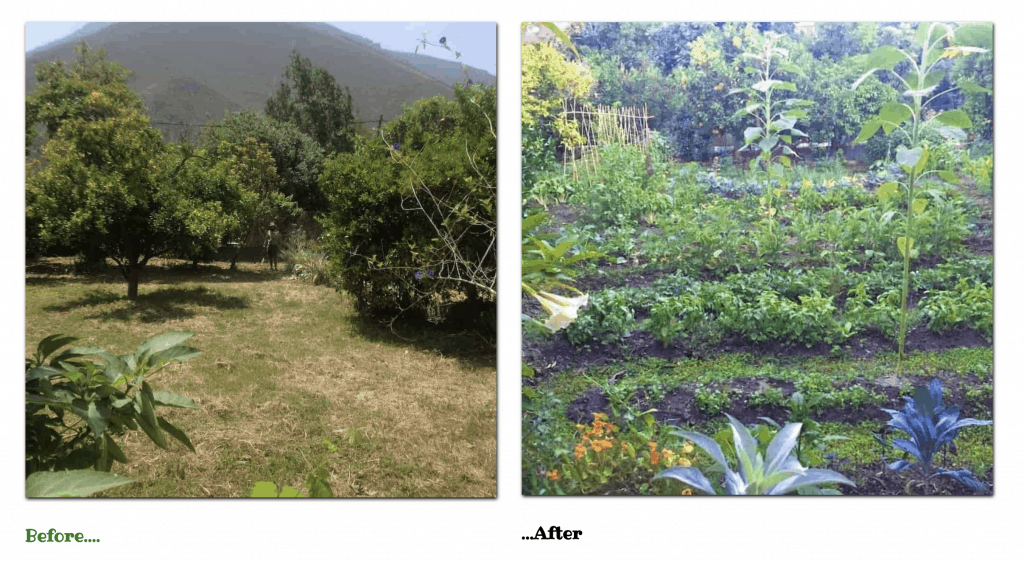
6. EDUCATE EACH OTHER. Depending upon what types of things you can find for free, you can take any or all of several angles at this point. You can host a weekly seed and plant giveaway session, perhaps even at the same time and place as your local Food Not Bombs serving. You can find garden sites and grow your own gardens or nursery stock, then give away the surplus or sell it to raise money for new projects. You can find people who want to turn their lawns into gardens, but are for some reason disempowered to do so, and help them get started. You can organize educational workshops, conferences, or other events. Or come up with an approach of your own. But first and foremost, to grow Food Not Lawns, at some point you must…
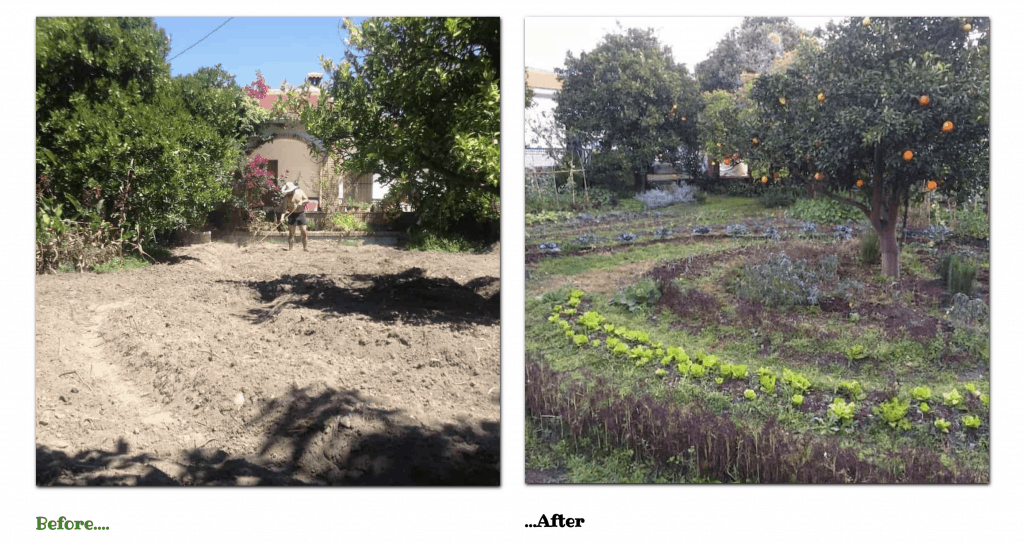
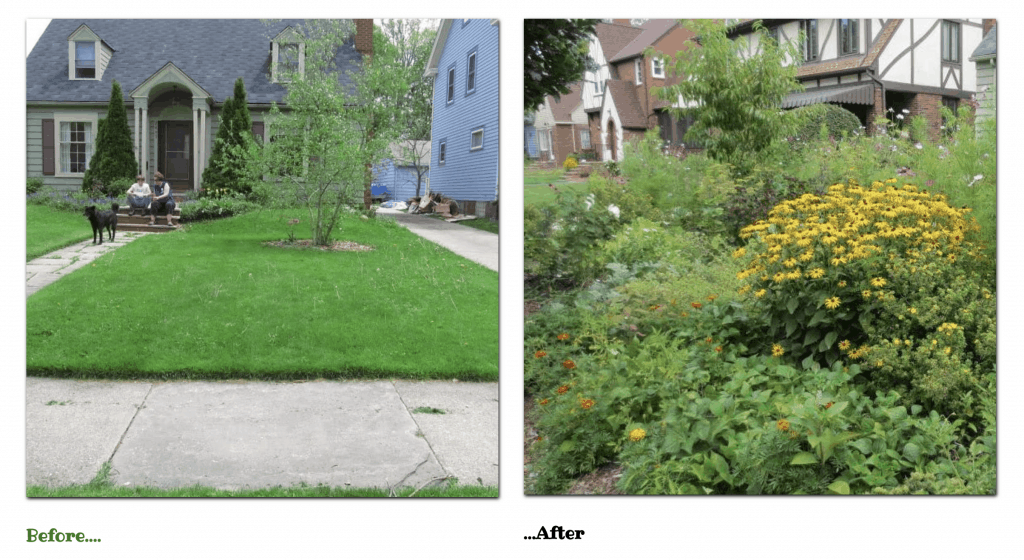
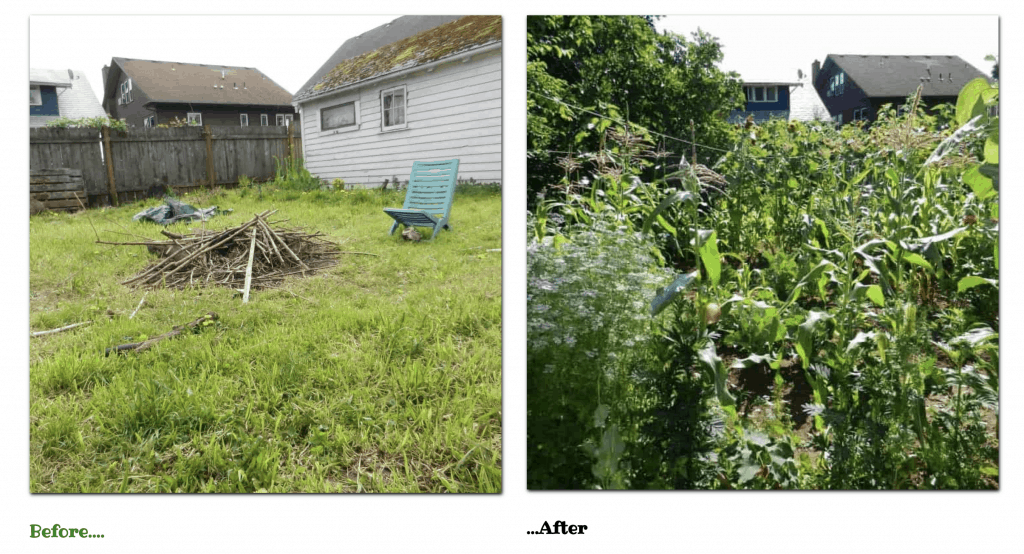
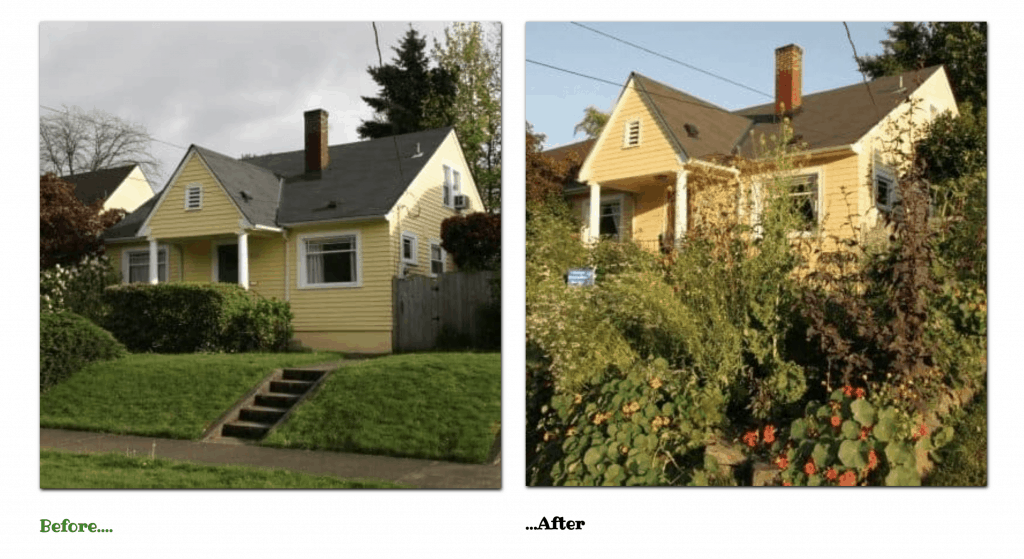
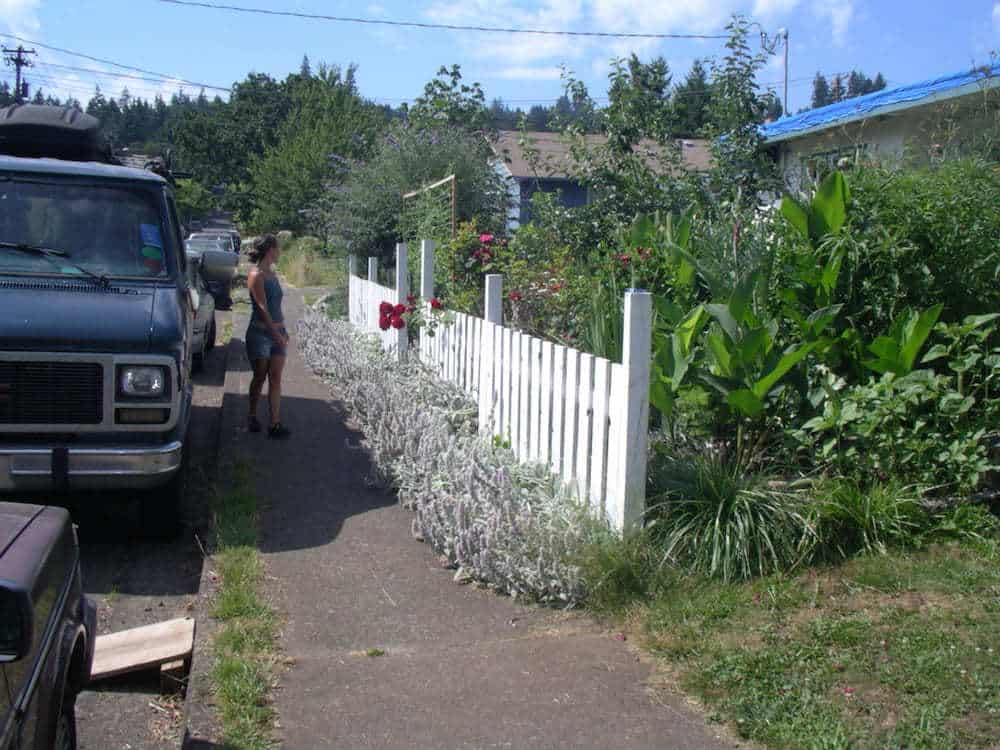
7. GROW FOOD NOT LAWNS. If you don’t know how to garden, organize a series of classes and find a local expert or three to teach them. Basic gardening is easy, and even advanced techniques can be learned in a short time. Most experienced gardeners love to share their ideas with others, so tap the flow of experiential information in your direct community. Knock on doors where lush gardens grow and invite the inhabitants to join your group. Go to the library and devour the gardening section. If your library doesn’t have books on organic gardening, ecological design, or permaculture, request some. Don’t worry about the details, just start gardening and the knowledge will follow.
Now that you’ve got this list all taken care of, go back to the beginning and start a new project! Write about your experiences and post it on your website, send us the link and we’ll post it on www.foodnotlawns.net. Most of all, eat well and have fun!
Tuesday, December 23, 2008
Subscribe to:
Post Comments (Atom)
6 comments:
Awesome stuff! I am a huge fan of not having a lawn, and to grow your own food!
Please update the site and keep this great information flowing.
-- Casey
raw food detox diet
Excellent post and writing style. Bookmarked.
Victory gardens worked in World War II they will work better today now that we have better irrigation, seeds, fertilizer and pest control methods.
When I bought a house on very tight clay that developer had carelessly scarped off the topsoil I put down some sand, perlite, manure, peat-moss, gypsum, 10-10-10 and 35-0-0 fertilizer on top of the Bermuda grass then ran a rototiller over it twice to make sort of a soil. I put down some leaky pipe for drip irrigation on top of the ground and covered over with black cloth mulch that let water trough but not light so the Bermuda grass and weeds didn't grow and had one of the best gardens in the neighborhood that year. On such a small plot I had to be very careful and not put down too much fertilizer. Having farmed most of my life it helped to know how far apart the prills should be.
Most of us, myself included tend to put way too much fertilizer and pesticide on small patches of ground such as our lawns and gardens.
I am going to raised beds and haul in better dirt. I plan to us removable insulation for better heat control of the soil.
The great part of a garden is you can use any amount of technology you want and get good results.
gc
Hi Heather!
I am reading your book, 'food not lawns' tonight for my class in Social Justice at the Bainbridge Graduate Institute in Washington Sate. Thank you so much for all of the inspiration and information! I feel like you are giving me a radical rooting that I need. I am excited to start implementing your ideas in a community where I spend a lot of time on the Washington coast. If you ever feel like saying 'hi', please feel welcome to do so anytime through either of my (not so great, yet) company websites ...
www.boulevard-development.com or www.sustainablecommunityenergy.com.
Thanks again, Nathaniel
GOBRADIME is great! I am going to modify it a little for the focus of my company, Global Energy Solutions (I am just going to add Love ... what do I love? how can I express love?) and make it GLOBRADIME ... easier for me to remember and hopefull reminds me to always engage my heart as well as my mind. What you have shared in your book has been a real gift me, Heather. Warmly, Nathaniel
nice. nathaniel i love that. i am revising the book for a new edition. may i include this change? with credit, of course.
Post a Comment