Thursday, July 9, 2009

Heather Flores Workshop Tour West Coast U.S. this Fall Needs Organizers

Hello Friends and Colleagues
I am returning from Spain to Oregon on July 20 and will be teaching workshops on permaculture, flamenco, and creative writing. I can offer slideshow and seedswap events, and/or 1-3 day intensive workshops. Loosely, my travel schedule is as follows:
July-August: Eugene and Portland area
Late September: Washington and B.C. Tour
October-November: Northern California tour
December: Southern California

I do plan to return to Europe in February 2010, so if you have been looking forward to having one of my fun and motivating workshops in your community, the time to book it is now! Prices, format, and subject matter to be negotiated according to the needs and desires of the specific venue. Contact me directly and we'll work out the details.

See you soon!
Heather
--
Heather C. Flores
www.foodnotlawns.net
www.heathercflores.com
Phone in Spain (34) 646 843 317

Tuesday, December 23, 2008

International Seed Swap Day of Action

January 31, 2009 is International Seed Swap Day of Action. Host a seed swap in your neighborhood in solidarity with Food Not Lawns, the White House Organic Farm project, Eat the View, and other organizations urging Obama's new Administration to support and encourage local food networks, permaculture, and sustainability, in this Nation and beyond.


How To Organize a Community Seed Swap

How to Organize a Community Seed Swap
By Heather Coburn Flores
as printed in Back Home Magazine’s Ask an Expert column, March 2007

Organizing a community seed swap is an easy and rewarding way to meet new people and expand the cultural and genetic diversity of your community. Something like a gardeners’ flea market with an emphasis on seeds, plants and propagative material, these events build and strengthen the food security and ecological viability of our community.
I have organized annual seed swaps in Eugene for almost a decade now. The organizing process takes about 20 labor hours, stretched out over a few months, and boils down to a few simple steps.

1. Write down your goals. This may include short-term incentives like, “Get free seed for my garden,” or long-term goals like, “Increase the food security and genetic diversity of my bioregion.” Free associate and write a page or so about your event.

2. Now develop a short letter to send out to seed companies for donations. Many people will bring seeds to the swap, but others will come empty handed. Sequester seed donations from local growers and seed companies in advance so there is surplus at the event. Send out a letter at least two months in advance. Stash the donations in a cool, dark, dry place until the day of the swap.

3. Find out if anyone else around you is doing similar work, striving toward similar goals. A local university is a good place to start. Make a list of contacts and then contact them. Visit garden centers and the farmers’ markets. Look online and ask around for local seed-savers. There may already be seed swaps happening, or you may find like-minded seedgeeks who will help you organize an annual event. Maybe you will find someone who wants to do a workshop at your event. Invite them. Or perhaps you want to do a demonstration yourself. You can also invite activists groups and garden clubs to set up informational tables.

4. Establish a date and place for the event several months in advance. Possible sites include schools, churches, bookstores, parks, community centers and private homes. Most places will donate the space for free, and many will provide tables, chairs and audio/visual equipment.

5. Make a flyer and post it around town about three weeks before the event, and again the week before. Refer back to the donation letter and your list of goals, and write a succinct description to send out as a press release. Send it to local media like radio stations, newspapers, any weekly tabloids, and of course post it to any local email lists you find. You may need to make a nominal investment for photocopying flyers; this money can be recovered later by putting out a donation jar at the seed swap. At our events, that jar yields between $50 to $100.

The day of the swap, arrive early and lay out your seed donations. Make cardboard signs for common plant families (Brassicas, Daisies, Nightshades, Goosefeet, etc), so people know where to look and where to put the seeds they bring. Provide empty envelopes for people to stash small quantities of seed. Recycled junk mail envelopes work great—seal them, cut them in half, and you have two little envelopes that can be labeled, filled with seed, and folded closed.

As people arrive, direct them toward the tables and ask them to mark their donations with the species, variety, date of harvest and any other pertinent information. Once a critical mass of people have arrived, initiate a circle and have each person give a short introduction about themselves and what they brought. This is also a great time to announce workshops, guest speakers, or other upcoming events. Pass around a mailing list and point out the donation jar. Encourage people not to take more than half of anything, and to save seed from what they do take, so they can bring it back to the next seed swap. After the event, donate the leftover seed to a local seed bank or garden project, or store it until the next seed swap.

Once you’ve organized your first community seed swap, you’ll see how easy it is and want to do it every year. If this doesn’t happen—if no one shows up or you feel like the whole thing was too much trouble, don’t get discouraged. My first seed swap only brought ten people, but the second one brought over 100! Reach out to the people who show up and ask them to help you organize the next event. By working together we can overcome any obstacle. Good luck and long live the seeds!

How to Start a Local Food Not Lawns

7 Steps to Starting a Local Food Not Lawns Chapter
by H.C. Flores

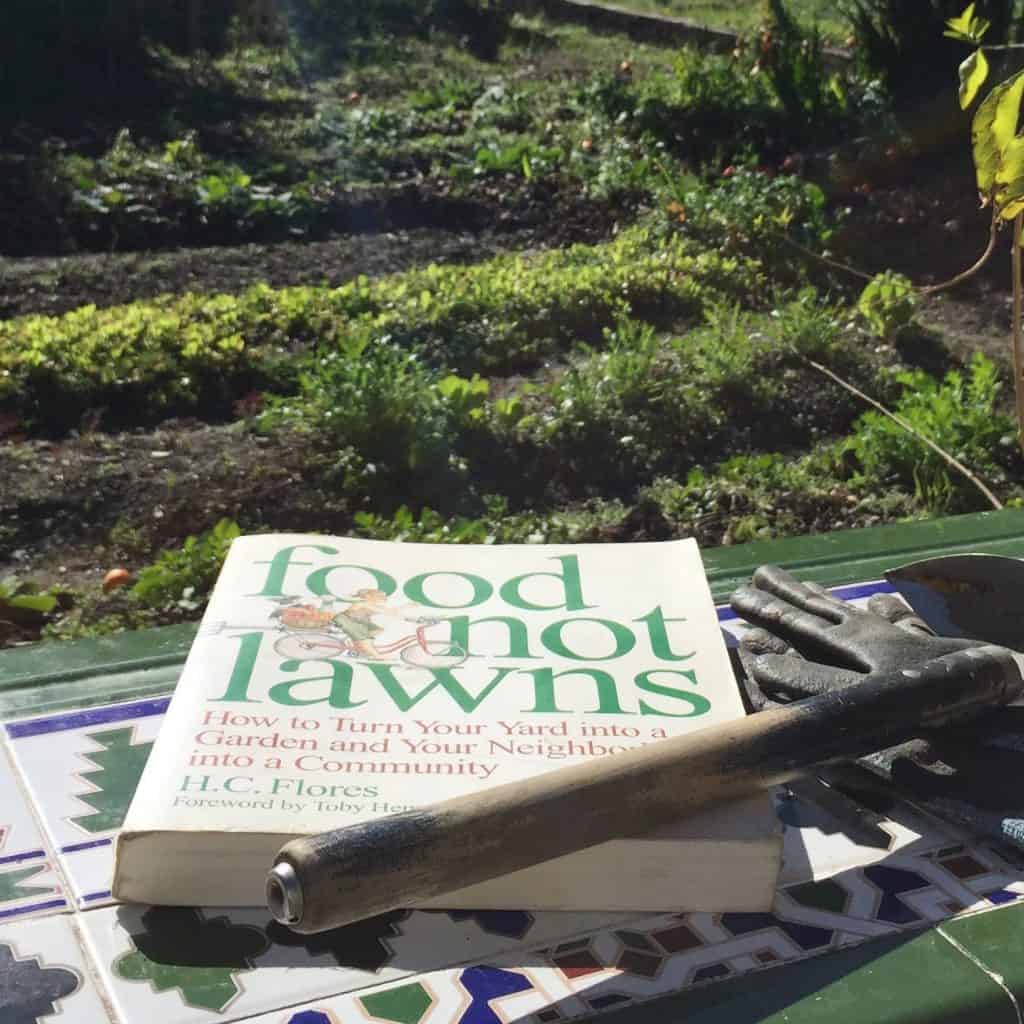
1. DO THE RESEARCH. Read Food Not Lawns by H.C. Flores and Food Not Bombs by Keith McHenry and C.T. Butler. Even if you are a seasoned activist, but especially if you are not, these two books will help you clarify your plans and build a functional collective. Check around locally and see who else is doing these types of projects. Go to their events, read their newsletters, and see how the new Food Not Lawns chapter can best serve the community.

2. DEVELOP AN INFRASTRUCTURE. Set up a contact point such as a website and email address, a post office box, phone number, or all of the above. I use my personal phone number as a contact point for public projects all the time and have never had any problems from it. The originator of a new group must accept the spokesperson role at least until the first meeting, but consider electing additional contact people early on. This invites a deeper level of participation from new people, and gives the budding project a fuller and more visible existence. Post your contact info at www.foodnotlawns.net, and I will add it to the International Directory.

3. INITIATE THE GROUP. Choose a time and place for an initial meeting. Make a flyer, write a press release, and promote your group for about a month before the first meeting. Tell all of your friends about it, and ask them to tell their friends. Write a letter to the editor of the local paper. Make announcements at other community events. And use the internet; that’s what it’s for. In this day of rampant self-promotion via internet social networks, you should be able to reach a large portion of the people in your town in a short amount of time. If people volunteer to help you, ask them to put in a few hours spreading the word. With each new individual you contact come limitless possibilities. The more you reach out, the more people, resources, garden sites, seeds, plants, and possibilities you will find.

4. DELEGATE TASKS. At the meeting, brainstorm about potential projects, garden sites, sources of plants and seeds, etc. Most small-scale urban garden projects only need a few people to tend them, so it often makes sense to split a large meeting into small affinity groups of people who live in the same neighborhood and/or want to do the same specific projects. I strongly recommend a task-based organizational structure, in which the group brainstorms a list of tasks without much discussion around each one, and then each individual takes on those tasks which they are willing to complete. Any leftover tasks are then either scrapped or contracted out to someone outside the group. This system works perfectly for this type of project. Start your list of tasks with the rest of these steps:

5. LOCATE RESOURCES. Get donations from farms, seed companies, and local businesses. Write a letter about your project and ask people to donate surplus seeds, plants, tools, soil, and money. There are free plants all over the place where you live. Train your eye to see them. Some garden nurseries get new stock every week and will allow a regular pick up of donations throughout the growing season. Most seed companies only send out donations once a year, in the Fall or Winter. The Cascadia chapter of Food Not Lawns organizes an annual seed swap, and our first couple of events included huge giveaway tables of donated seed packets from several popular organic seed companies. Now the people who come to the seed swaps bring their own homegrown seed, and we don’t need the donations anymore, which is excellent news—more for you!

6. EDUCATE EACH OTHER. Depending upon what types of things you can find for free, you can take any or all of several angles at this point. You can host a weekly seed and plant giveaway session, perhaps even at the same time and place as your local Food Not Bombs serving. You can find garden sites and grow your own gardens or nursery stock, then give away the surplus or sell it to raise money for new projects. You can find people who want to turn their lawns into gardens, but are for some reason disempowered to do so, and help them get started. You can organize educational workshops, conferences, or other events. Or come up with an approach of your own. But first and foremost, to grow Food Not Lawns, at some point you must…

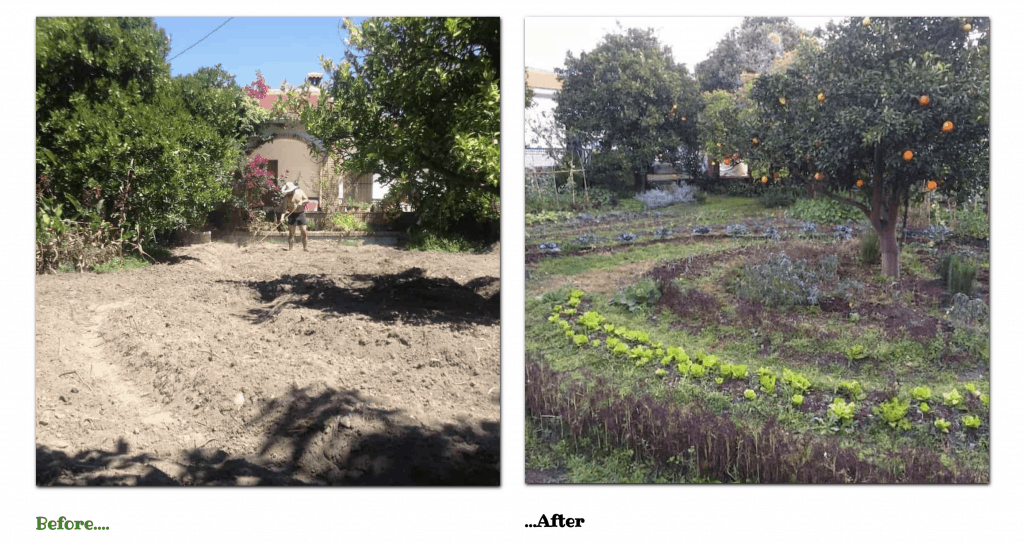
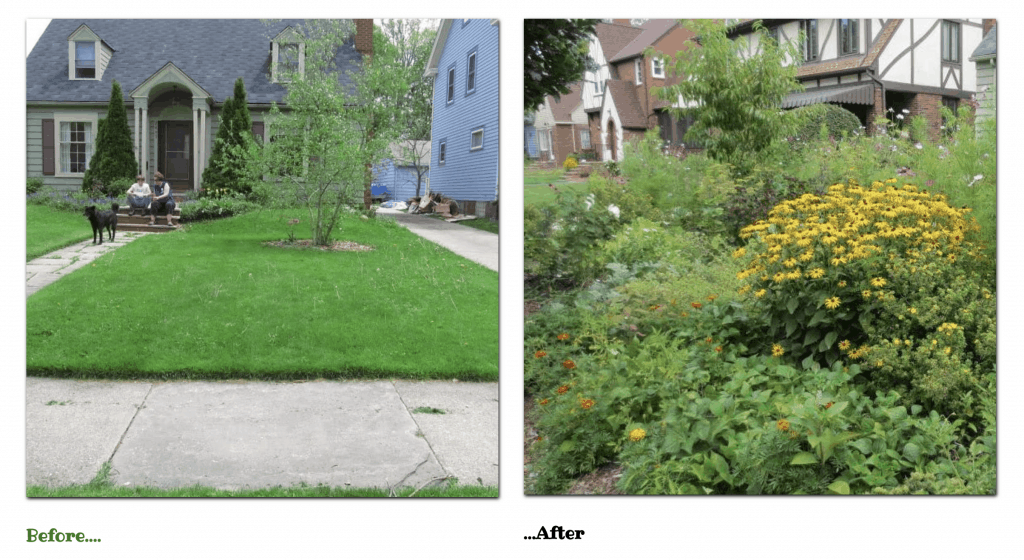
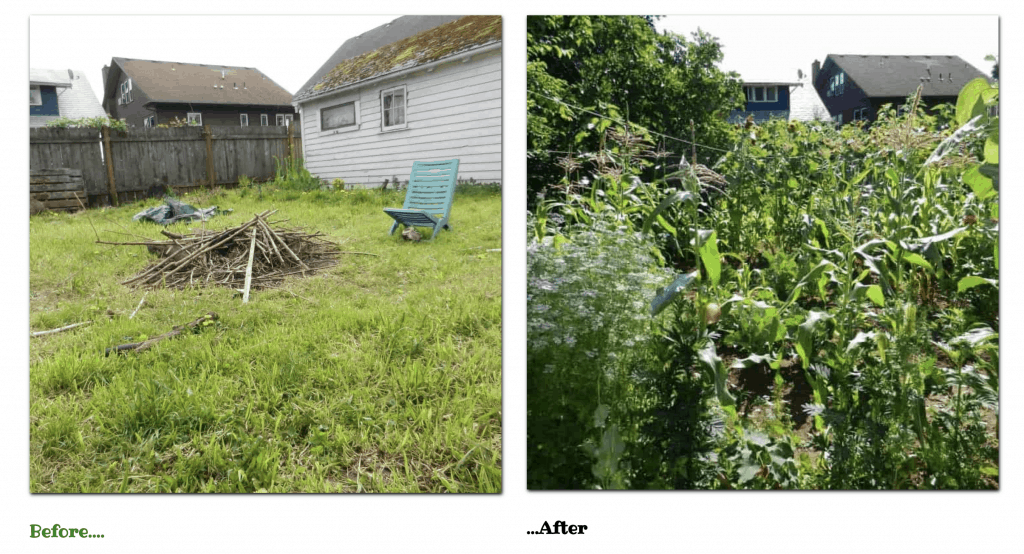
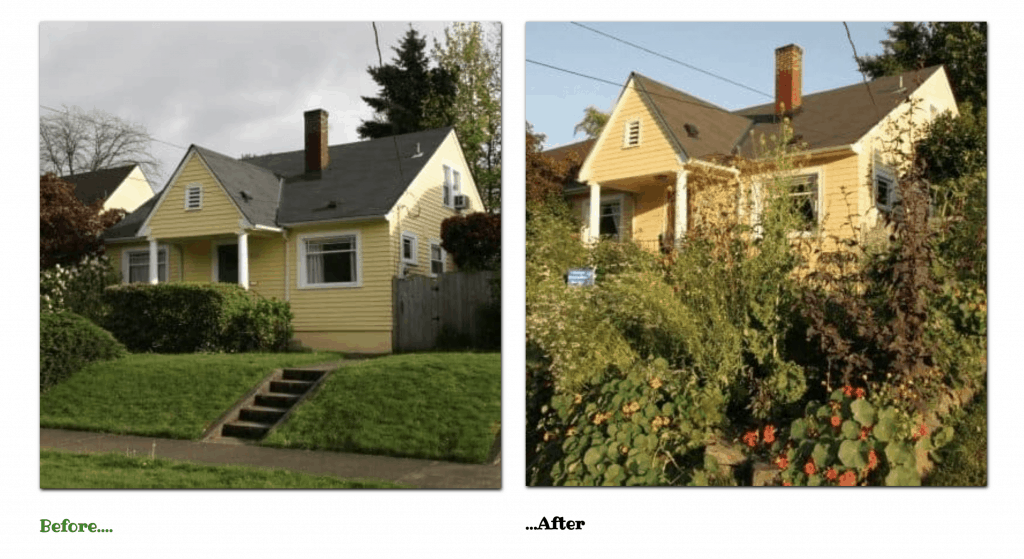
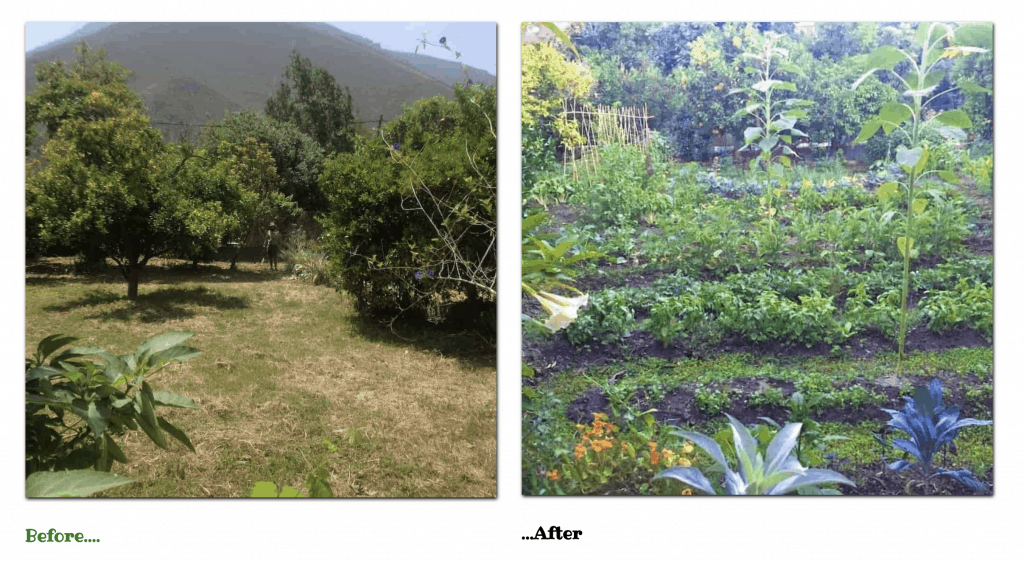
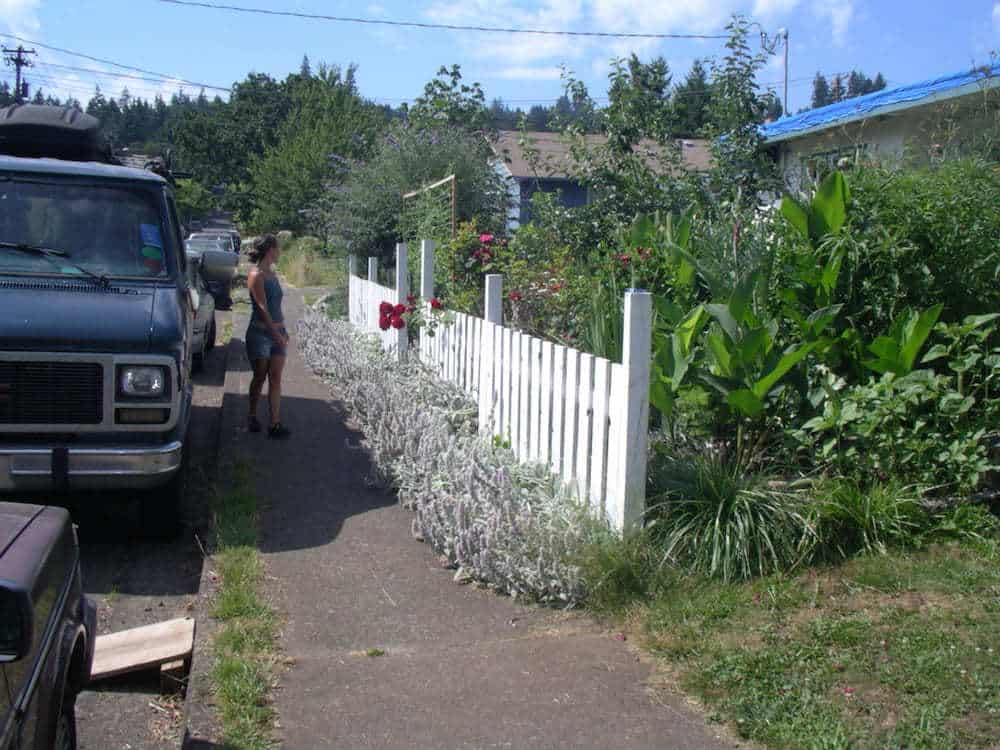
7. GROW FOOD NOT LAWNS. If you don’t know how to garden, organize a series of classes and find a local expert or three to teach them. Basic gardening is easy, and even advanced techniques can be learned in a short time. Most experienced gardeners love to share their ideas with others, so tap the flow of experiential information in your direct community. Knock on doors where lush gardens grow and invite the inhabitants to join your group. Go to the library and devour the gardening section. If your library doesn’t have books on organic gardening, ecological design, or permaculture, request some. Don’t worry about the details, just start gardening and the knowledge will follow.

Now that you’ve got this list all taken care of, go back to the beginning and start a new project! Write about your experiences and post it on your website, send us the link and we’ll post it on www.foodnotlawns.net. Most of all, eat well and have fun!